Nov, 2026
Maybe one of the greatest errors we commit when building tourist spots in Africa is that we concentrate so much on how other people will perceive them and don't put enough effort into considering how people living in those destinations will react.
Take a moment to think about how we generally market an African destination. We speak of tourism, visibility in the world, investment possibilities, wildlife and the quantity of visitors we plan to attract. These aspects are certainly important in those countries where tourism is crucial for conservation and development.
However, it seems that we forgot about one more important audience - people who live in that place.And it does not necessarily have to be anything like a holiday schedule to enjoy visiting the park.
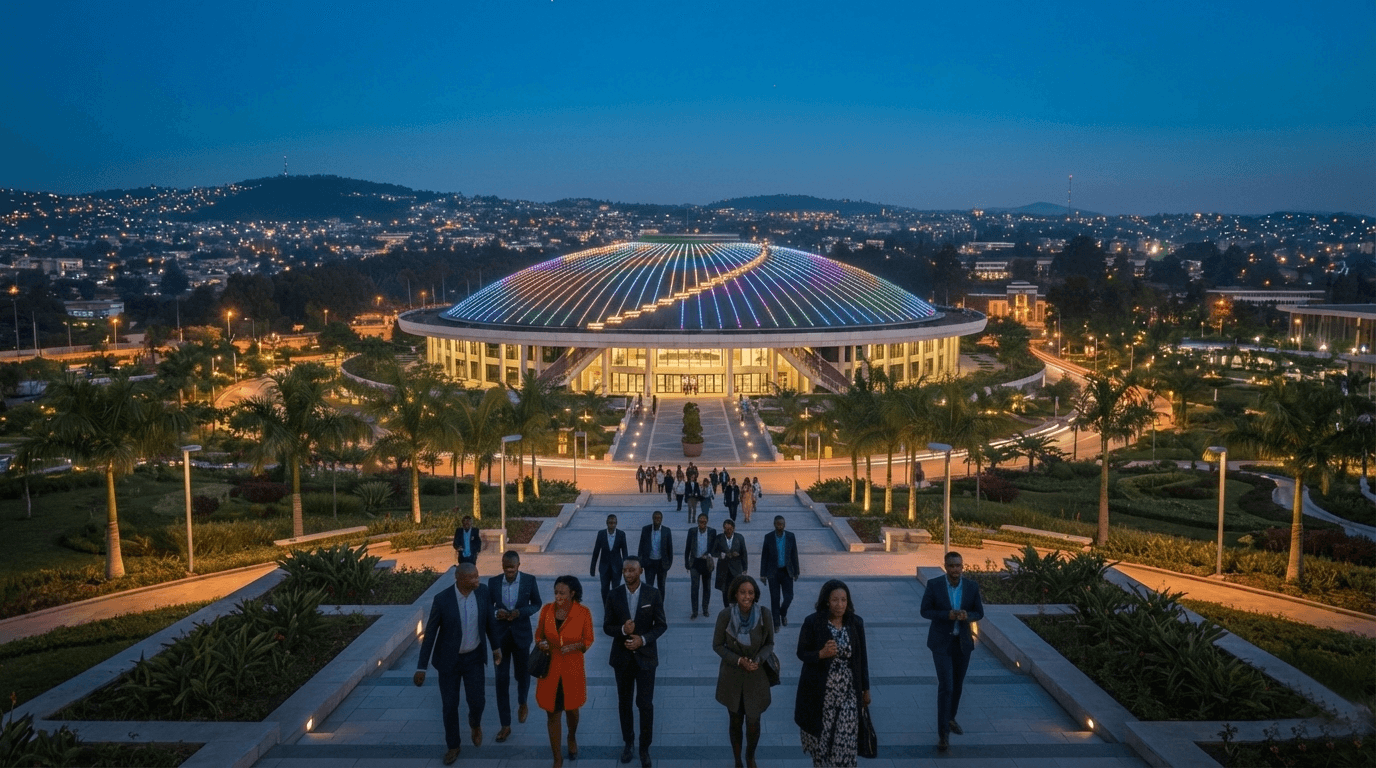
A good example is Nyandungu Eco-Park in Kigali, Rwanda. The restoration of a devastated urban wetland into the ecological park with native plants, walking and cycling routes, gardens, ponds is something worth paying attention to.
However, I think it is time for a much broader discussion. What if we stopped thinking of Nyandungu merely as an environmental success story or a tourist spot and started thinking about its potential as a part of everyday life for the citizens of Kigali? Which means it should be more than just a place to take family members who visit from out of town, take pictures of birds, and spend a couple of hours having fun in nature. The must-do activities in Nyandungu can include something trivial for the local people. For example, students can find a nice cozy corner to read after classes, couples can go for a walk there, and parents can take their children there to have a picnic on weekends.
Moreover, local artists can also organize an informal meeting there. In other words, meeting friends for cups of coffee can become much easier if they have a place like Nyandungu where there is no need to book a table at a café. A photograph will not be able to tell if a grandmother is able to spend three hours with comfort in the place. It will be unable to indicate if the family is welcoming enough to spend all afternoon there, if young people will have any place to gather, etc. A good image cannot tell whether a place has any return visitors.

We need to rethink the entire concept of public spaces. Designing for tourists and residents are not contradicting goals. In fact, it can be a mutually beneficial process. A space that serves the needs of its community also attracts international tourists with its ability to provide something one cannot buy authentic local experiences.
The objective should not be to make destinations in Africa unattractive for tourists. The objective should be to enable people stop measuring the success of these destinations only by tourism rates. Think of what a small self-sufficient community center could give Nyandungu while being carefully integrated into the nature of the place.
Consider a small architectural enhancement that builds on the existing features of the park and brings more opportunities for communicating with others and exchanging cultural background. A community library can serve as a place where people can read and learn. It could also be used as a place for presentations given by local artists, writers, architects, and other people. A tiny coffeeshop and a small vending area, where people can sell local goods and crafts, can provide additional opportunities for local business and make residents stay in the park longer.
There could also be an open area where people can have weekend picnics, events, discussions, and group activities. At the same time, a properly located observation tower can create possibilities for viewing the wetland and its respective neighborhood but without spoiling the park’s surroundings. Less glamorous aspects are just as important. Comfortable furniture placed in shaded areas, adequate pathways, as well as maintained sanitary facilities can significantly change the duration of people’s stay in the park. In some cases the difference between a nice place and a great place to visit is a presence of clean bathrooms.
Architecture should always take a backseat when it comes to landscape. The use of lightweight buildings, the correct placement of buildings, and the right materials while establishing links with wetlands is crucial. It is not about creating more buildings; it is about giving better meaning to the existing spaces for people.
Another point of the discussion is economics. Public places would not be sustainable just because they are beautiful. It is vital here to establish a business model that allows maintaining a public place over time. The establishment of cafés, shops, cultural events, and some other public facilities can help make a modest profit along with supporting local businesses and creativity. It is obvious that it is necessary to strike a balance between the commercialization of a park and conservation. A community park should never become a private enterprise where one’s ability to enjoy nature depends on how much money one can spend. The issue is whether the community needs to profit from the park or not.
The discussion is not only about Nyandungu.
Various African cities are building new districts, waterfronts, parks, cultural places, and recreational areas. When talking about the attraction of cities and their competitiveness, we understand why we have such goals. Many people are wondering how we can count the number of tourists at each new location, but maybe it is better to find out how many locals actually want to go there on weekends.
Besides, before being happy because of the successful development of public space, it might be necessary to check whether people living nearby think it belongs to them. When it comes to designing another destination for tourists, one should consider whether this is a place for people making part of their everyday lives.
When families in a neighborhood feel compelled to return, when young people are given the chance to engage in activities, and when people in a community start viewing public sites as part of their daily lives, these sites become more than just venues.
The venues now represent the identity of the city.
Maybe the true measure of an African park's success is not how many tourists want to come see it. Rather, it's how many people living ten minutes away would hate to exclude it from their weekend plans.
So, who do we truly create these venues for?
https://nyandunguecopark.rw/aboutus
Source:

Who Are African Parks Really Built For?
Stop building African destinations for the world’s camera roll, start building them for own local people’s everyday lives.
Stop building African destinations for the world’s camera roll, start building them for own local people’s everyday lives.
other news

UNBUILDING STIGMA ?
We’ll be in Budapest speaking alongside some of the design industry’s best minds on the topic of “Making Sense.”
Oct, 2026

THE TIMBER PARADOX
We’ll be in Budapest speaking alongside some of the design industry’s best minds on the topic of “Making Sense.”
May 2024
DESIGNING THE INVISIBLE
We’ll be in Budapest speaking alongside some of the design industry’s best minds on the topic of “Making Sense.”
Sep 2025
